
When a single watch costs as much as an apartment in central Paris, the world of luxury goods has quietly transformed. The pre-owned luxury watch market is not merely a trading arena, but a litmus test for brand strategies. Top brands like Rolex have learned to embrace the circular economy and achieve sustainable value appreciation.
The Astounding Expansion of the Market
Global pre-owned watch transactions are approaching those of the new watch market. Rolex boasts a 15.7% retention rate, far exceeding other brands. Discontinued models like the Daytona or Submariner often command premiums of over 20%, attracting investors and collectors.
- Rolex Submariner 116610LN, pre-owned price around NT$80,000, steadily appreciating in value.
- Older Batman GMT-Master II, priced at a 10% premium, scarcity drives demand.
- Datejust series, timeless classic, easy and worry-free resale.
This surge reflects a shift in consumer mentality from “ownership” to “investment.”
Authenticity Verification and Risk Management
The market is murky: counterfeit goods are rampant. Those in the know will inquire about the provenance, repair records, and original box and certificate. Reputable platforms like Chrono24 or authorized dealers offer authentication services to avoid losing your money.
- Check the movement, engraving details, and weight. Beginners should consult experts.
- Complete original parts double the appreciation potential, and documentation proves authenticity.
- Avoid unknown sources; prioritize authorized Rolex pre-owned dealers.
Caution is key to long-term success.
Lessons from Brand Strategies
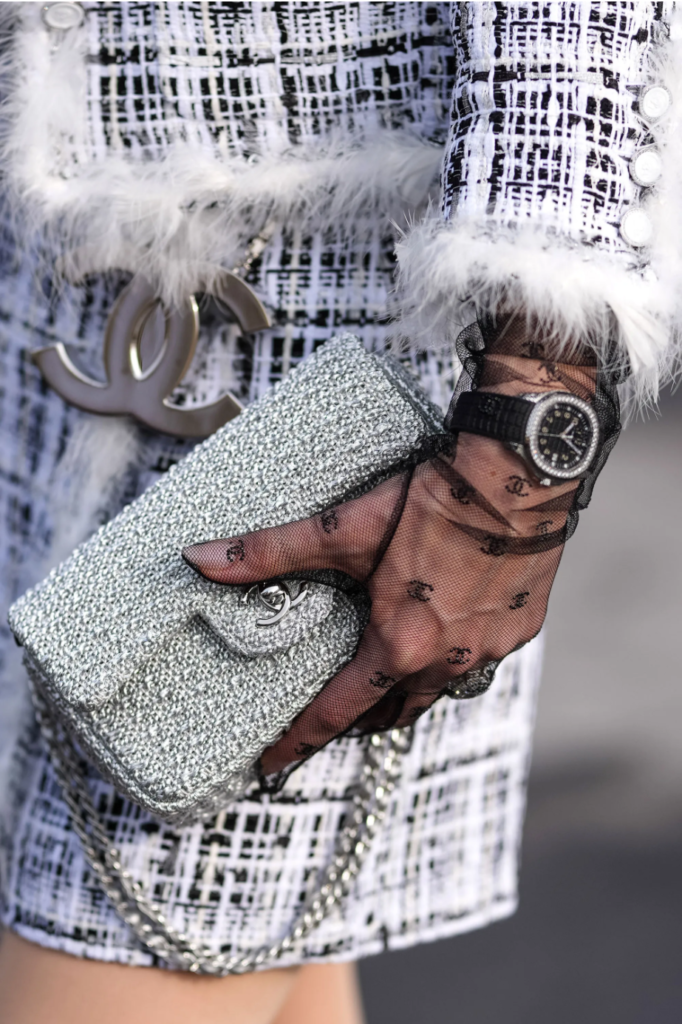
Top luxury brands have learned from the pre-owned market: Rolex integrates officially certified pre-owned watches to enhance its reputation and revenue; Chanel invested in Kenissi to strengthen its movement independence. This circular model not only reduces carbon emissions but also creates new customer groups.
- Limited production and discontinuation strategies stimulate pre-owned price premiums, converting loyalty into profit.
- A well-established repair system ensures leading resale value, strengthening the brand’s competitive advantage. – Taiwan’s market bucked the trend, growing by 25%, with affluent buyers driving high-end demand.
Luxury Goods Academy: Sustainability and community are the keys to the future.
Practical Strategies for Beginner Investors
Beginners can start with Rolex: Choose classic steel models, hold them for a year, and then resell for a profit. Understanding market trends, pursuing rarity, and avoiding speculative bubbles are key to long-term success.
